The handbrake lever used to take up a noticeable amount of space between the front seats. In many newer cars, its job is handled by a switch small enough to sit beside a cupholder. That change gives automakers more room, but the reasons go beyond tidying up the console.
An electronic parking brake also lets the car apply and release the brake in response to other controls. That opens up convenience features drivers now expect, while changing what happens during maintenance and electrical trouble.
Electronic Parking Brakes Free Up Cabin Space
A hand lever needs enough room for its travel, mounting bracket, and the driver's hand. A foot-operated parking brake uses space around the pedals and may need a separate release handle. An electronic switch gives designers more freedom to arrange storage, seats, and controls without fitting a large manual mechanism in the same area.
The force needed at the brake doesn't disappear. It is supplied by an electric actuator instead of the driver's arm or foot. On many cars, motors operate the rear calipers directly. Other arrangements still use cables pulled by an electric actuator. The visible switch tells you how the driver requests braking, not every detail of the hardware underneath.
Automatic Parking Brake Operation Fits Modern Cars
Vehicles already exchange information about gear selection, vehicle speed, door position, and driver inputs. An electronic brake can use that information to apply when the driver parks and release when the conditions for moving away are met. The operating rules vary, so the owner's manual remains the place to check your car's behavior.
For someone who struggles with a stiff lever, pressing a switch is easier than applying a manual brake firmly. Consistent actuator operation also removes the difference between a light pull and a stronger one. The brake still needs sound friction surfaces and working hardware to hold the vehicle.
Hill Starts and Auto Hold Add Convenience
Some electronic parking brakes coordinate release with pulling away on an incline. Instead of balancing a hand lever against clutch engagement, the driver follows the vehicle's normal starting procedure. The control unit releases the brake when the required inputs are present. That is especially noticeable in a manual-transmission car on a steep driveway.
Auto Hold serves a related but different purpose. It keeps the car stationary during temporary stops and often uses hydraulic brake pressure, transferring to the parking brake when required. Having an electronic parking brake doesn't mean every car includes Auto Hold or follows the same transfer rules. The switch labels and dashboard messages explain what is active.
Electronic Parking Brakes Still Have Mechanical Wear
Moving the control to a switch doesn't remove brake dust, rust, sticking slides, or worn pads. Motor-on-caliper designs rely on an internal mechanism to generate and maintain clamping force. A central-actuator design may still have cables and parking-brake shoes that need checking.
Road spray and corrosion also reach connectors and actuator housings. If the brake drags after release, the inspection needs to find whether the trouble is electrical or mechanical. Replacing a switch won't free a seized caliper. A new caliper won't fix a wire that isn't delivering power.
Electronic Parking Brake Repairs Need Different Procedures
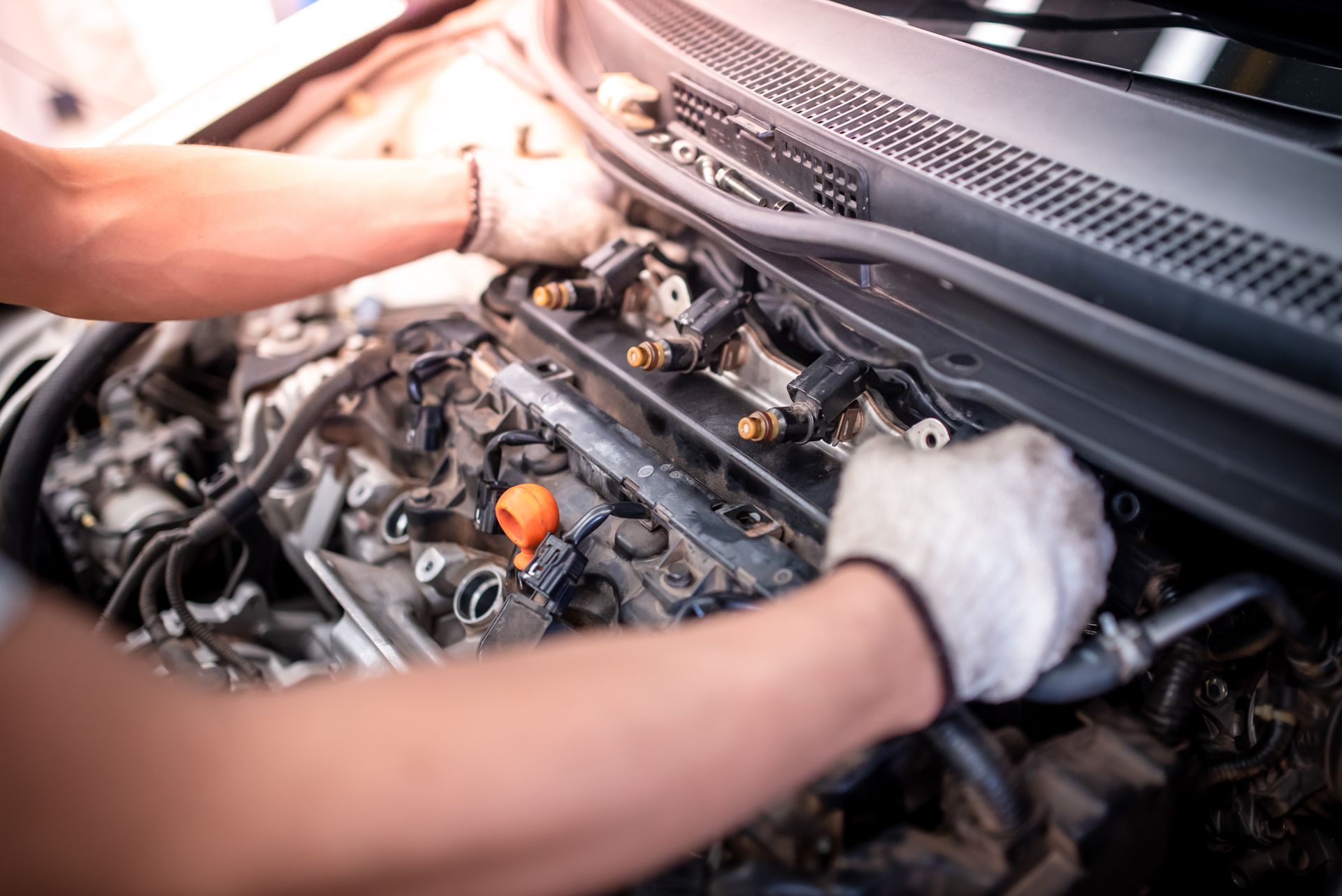
The differences become clear during rear brake service. Many vehicles require a maintenance mode before pad replacement and an initialization or closing routine afterward. A technician follows the model-specific procedure instead of treating the piston like one on a conventional rear caliper.
These details should be checked before service starts:
- The parking-brake design fitted to the vehicle
- The required maintenance-mode procedure
- Actuator operation and stored fault information
- Rear pad, rotor, or parking-brake shoe condition
- Cable movement where cables are still used
- Battery voltage and connector condition
- The final application and release checks
That extra preparation explains why rear brake work sometimes includes a scan-tool step. It isn't a reason to replace functioning electrical parts. The estimate should identify what is being serviced and which steps finish the job.
A Parking Brake Switch Depends on Electrical Power
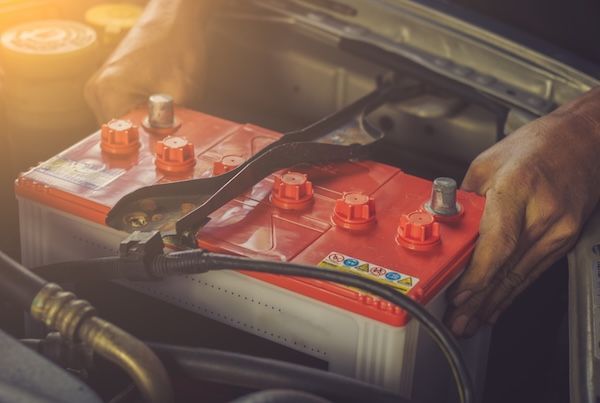
A discharged battery may prevent an electronic parking brake from applying or releasing. Once applied, the brake normally holds mechanically, so it doesn't require a running motor to stay engaged. The problem is carrying out the next command when the electrical supply is too low.
Check the manufacturer's instructions before arranging a jump-start or release. If recovery is needed, tell the operator that the brake is stuck on. Avoid forcing the vehicle to move or trying an online release trick for a different model. The car needs to be secured throughout any release procedure.
Get Electronic Parking Brake Service in Wilmington, NC, With GarageFellas of Wilmington
GarageFellas of Wilmington in Wilmington, NC, can check parking-brake warnings, dragging rear brakes, and failure to apply or release. Describe what the switch and dashboard do, along with any recent battery replacement or rear brake work.
Call us to arrange electronic parking brake testing or rear brake service.