A few drops on the driveway may not seem urgent when the car still runs normally, and no warning lights are on. Small leaks can stay that way for a while, which makes them easy to postpone. The problem is that fluid levels can eventually fall far enough to affect the component the fluid is supposed to protect.
Catching a leak early gives you more options. Instead of dealing with overheating, transmission damage, loss of steering assist, or a vehicle you can't drive, you may be able to repair a hose, gasket, seal, or fitting before the problem spreads.
Pay Attention to Where the Car Is Parked
One of the easiest ways to spot a developing leak is to look at the ground where you regularly park. Fresh spots tell us more than an undercarriage covered in years of dirt and oily residue.
If you notice a new mark, pay attention to:
- Where the spot sits under the vehicle
- How large it gets overnight
- Whether it feels oily or watery
- Its color when viewed on a light surface
- Whether it appears after every drive
- If the spot is getting larger from week to week
Location and color can give us a starting point, but they are not enough for a final diagnosis. Airflow while driving can push fluid backward, and a leak can run along a bracket or splash shield before reaching the ground.
Check Fluid Levels Between Services
A leak does not always leave a visible puddle. Some fluids drip only while the engine is running, land on hot components and burn away, or collect inside covers underneath the vehicle.
Checking accessible fluid levels can reveal what the driveway does not. Engine oil, coolant, brake fluid, and power steering fluid on hydraulic systems should stay within their specified ranges. Some transmissions also have serviceable level checks, although the procedure varies widely by vehicle.
At our shop, a level that keeps dropping gets our attention even when the outside of the system looks fairly dry. Repeatedly topping it off may keep the vehicle moving temporarily. Still, it does not tell you where the fluid is going.
Learn the Smells That Can Point to a Leak
Sometimes your nose notices a fluid leak before your eyes do. Engine oil dripping onto a hot exhaust component can produce a burnt-oil smell. Coolant often has a sweet odor, while leaking gasoline has a sharper, more obvious smell.
A new odor after parking is worth mentioning during an inspection. We look for wet areas and dried residue because some leaks evaporate or burn away before they ever make a puddle.
Fuel smells deserve faster attention. If you smell raw gasoline around the vehicle or see an active fuel leak, do not treat it like a minor seep that can wait for the next oil change.
Watch for Dried Residue Around Hoses and Connections
Not every leak stays wet. Coolant can leave crusty deposits around hose connections, the radiator, thermostat housing, water pump, or reservoir. Oil and transmission fluid can leave dark, sticky buildup around seals and gaskets.
Those traces can be especially useful when a leak appears only while the system is hot and under pressure. By the time the vehicle reaches the shop and cools down, active dripping may have stopped.
We look for the highest point where fresh residue begins. That helps us avoid replacing the part at the bottom of the wet area when the actual leak is coming from somewhere above it.
Small Leaks Can Damage Other Parts
The cost of a fluid leak is not always limited to the leaking seal or hose. Oil can damage rubber components, coolant can contaminate electrical connectors, and power steering fluid can deteriorate bushings or mounts that stay soaked.
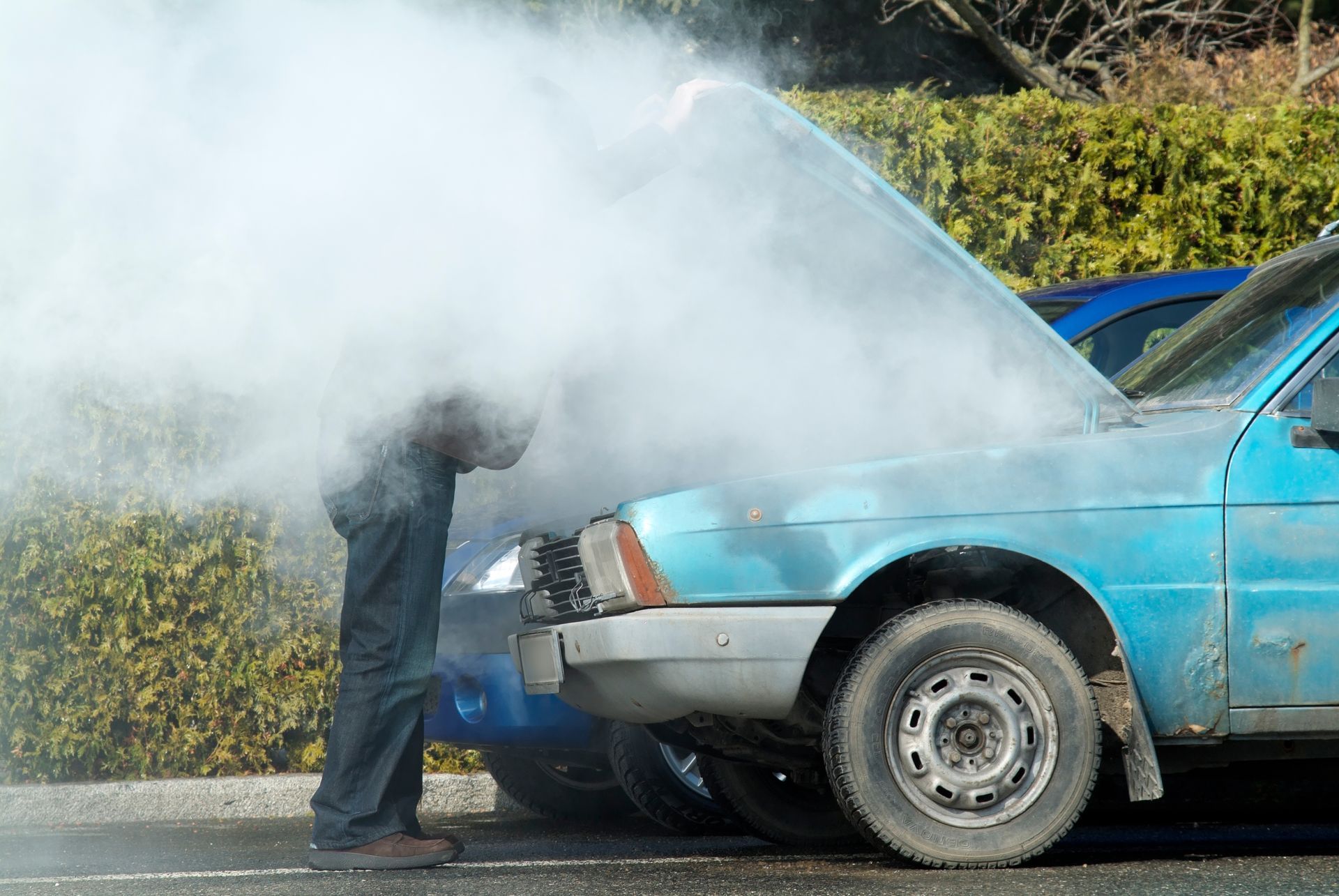
Low fluid creates another risk. A transmission that runs low can lose lubrication and hydraulic pressure. An engine with low coolant can overheat. A hydraulic steering pump can become noisy and damaged if it repeatedly pulls air because the reservoir is nearly empty.
That is why we consider both the size of the leak and what happens if the fluid level continues dropping.
Do Not Wait for the Dashboard to Warn You
Many small leaks do not trigger a warning light right away. The vehicle may have no sensor capable of detecting a slight coolant loss, minor oil seep, or small transmission leak.
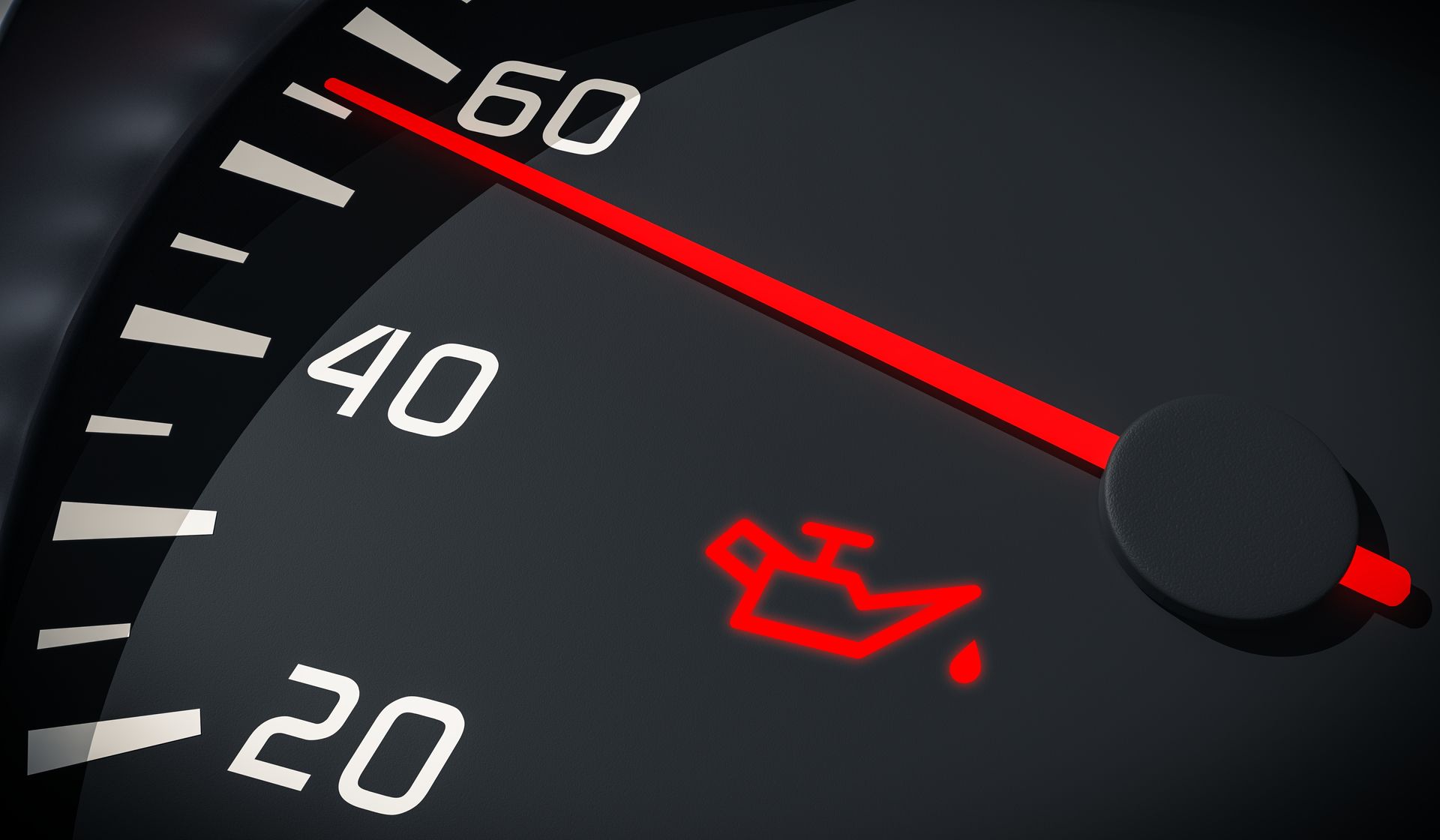
By the time a low-oil-pressure or overheating warning appears, the situation can already be much more serious. Regular maintenance gives us a chance to look underneath the vehicle, check accessible levels, and compare seepage from one visit to the next.
A small leak that has stayed nearly unchanged for years may be something we monitor. A fresh leak that is spreading quickly belongs in a different category. The rate of change helps determine how soon the repair should be handled.
Get Fluid Leak Diagnostics In Wilmington, NC, With GarageFellas of Wilmington
If you have noticed a new spot under your vehicle, a fluid level that keeps dropping, or an unfamiliar smell after driving, GarageFellas of Wilmington in Wilmington, NC, can trace the leak and determine what needs repair.
Schedule a visit before a small fluid loss starts damaging the system that depends on it.